

- Best Cold Medicine to Pack for Travel: A Quick Guide to Being Prepared - October 20, 2026
- A SpotHero Alternative for Booking Airport Parking - March 10, 2026
- On Air Parking Review - March 2, 2026
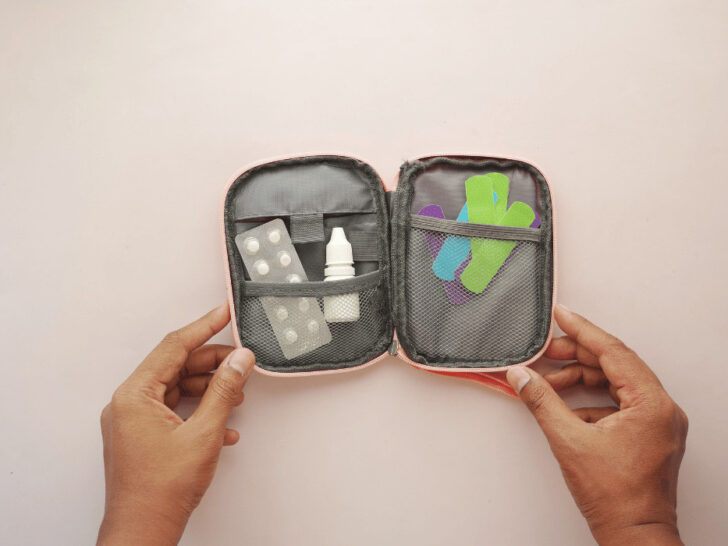
You’re planning a family trip, making your packing list, and trying to squeeze in a store run for last-minute items. Besides toiletries, one thing that belongs on your list is a few medicine essentials.
When I travel with my kids, I always make sure I have the medications they need, especially when we’re traveling internationally, where I might not be able to find what we’re used to. And it’s not just for my kids.
It’s for me too, since the trusty cold medicine I can find anywhere here isn’t always available abroad. It’s easier when you’re traveling in the U.S. since you’re usually not that far from a Target or Walmart, but when you or your kids start to feel sick in the middle of the night, you’re not going to want to run to the store.
Here’s a guide to what to bring and keep in your medicine kit for you and your kids before your next trip.
Before You Pack: A Few Things to Think About
TSA
TSA’s 3-1-1 rule still applies to liquids in your carry-on, including medication: you can take containers of 3.4 ounces (100 ml) or less, all in one quart-size bag per person.
Tablets, capsules, and LiquiCaps aren’t held to the liquid limits, so you can bring them in your carry-on without squeezing them into your liquids bag. TSA may still screen them visually or by X-ray, and clearly labeled medication makes that go faster.
Liquid medications larger than 3.4 ounces are allowed in your carry-on if they’re medically necessary for your trip. You’ll just need to tell the TSA officer before screening starts, and you may have to place them in a separate bin for inspection. Pills and liquids are both fine in checked bags.
Pill or Liquid
For travel, pills are the obvious better choice over liquids. They don’t leak, and they don’t take up much room in your bags. You can still bring liquid medication as long as it’s within the TSA limits, but it’s easier to pack it in your checked bag. Cabin pressure can also cause leaks, so seal the bottles tightly and put them in a Ziploc bag to be safe (no one wants their clothes covered in cough medicine).
Day and Night Coverage

Don’t forget to think about coverage for day and night. During the day, you’ll likely want something that won’t make you drowsy so you’re not sleeping through your trip, especially if you’re the one driving the rental car or keeping track of the kids and itineraries. At night, you’ll want relief so you can get the rest you need to actually enjoy the next day. I always keep both on hand, because with a cold I always feel worse at bedtime. Sleeping in a hotel bed and not being able to breathe is a pass for me.
Where You’re Going
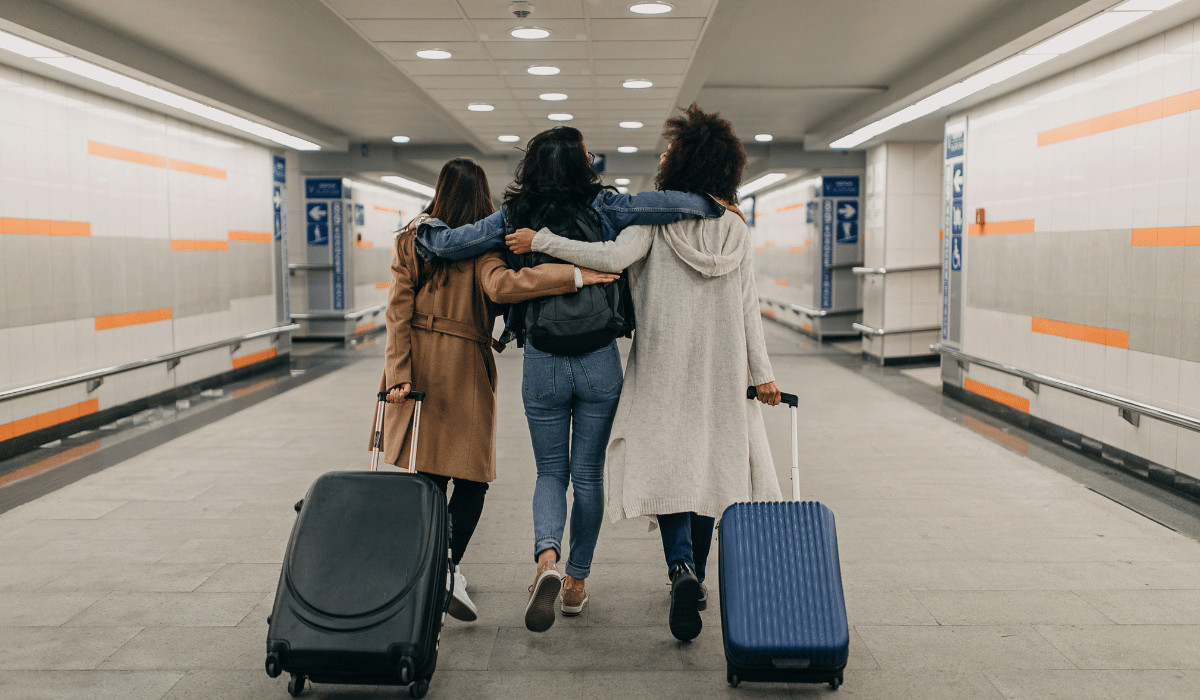
If you’re traveling internationally, check the rules for your destination before you pack. Some common cold medicine ingredients you wouldn’t think twice about buying in the U.S. are restricted or banned in other countries. Pseudoephedrine, a decongestant, is prohibited in Japan, for example, and codeine is restricted in many places. Check your destination’s government website to confirm what’s allowed.
For prescriptions, keep them in their original labeled bottles, and it’s a good idea to bring a copy of your prescription when you travel abroad.
Traveling With Kids
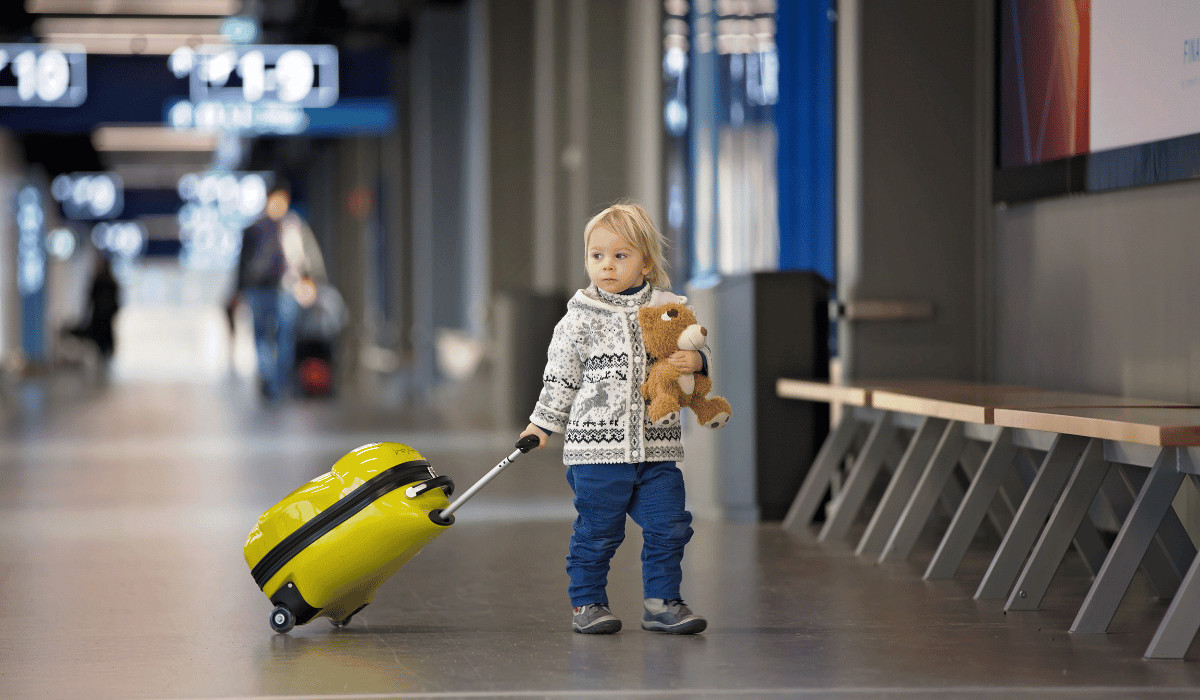
If you’re packing for kids, there’s always more stuff, and medication is no exception. A lot of children’s medicine only comes in liquid, so pack small bottles that fit in your quart bag. Don’t forget the dosing cup or syringe that came with it, because a hotel spoon isn’t going to cut it. Check the label for your child’s age and weight before you go, and write down anything your pediatrician has told you so you’re not guessing in the middle of the night.
Best Cold Medications
You don’t need to pack a whole pharmacy. These are the basics I come back to every trip.
- A pain reliever and fever reducer. Acetaminophen like Tylenol or ibuprofen such as Advil covers headaches, sore muscles from a long travel day or lots of walking, and fevers. If you’re traveling with kids, pack children’s formulas in the right strength for their age and weight.
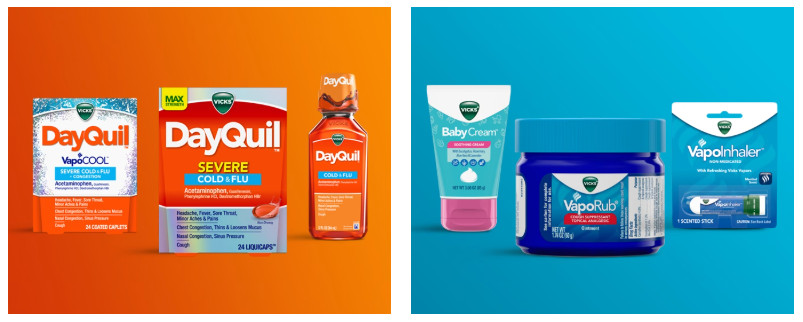
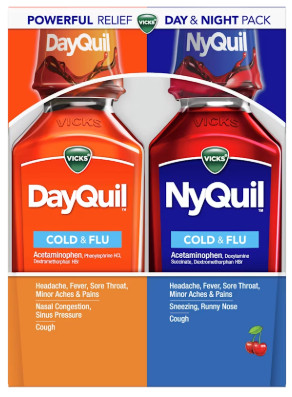
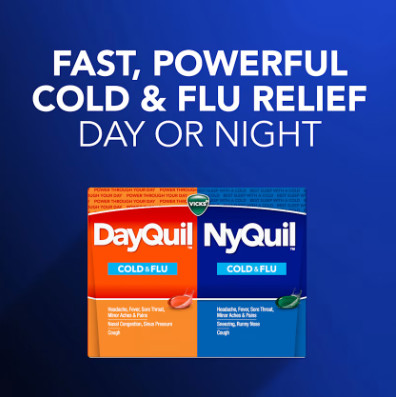
- Day and night cold and flu relief. I like a combo pack like Vicks DayQuil and NyQuil LiquiCaps, so I have a non-drowsy option for the day and something to help me at night. Both already contain acetaminophen, so don’t take them with another acetaminophen product. NyQuil can make you drowsy, so you may want to skip it if you’ll need to drive or be alert afterward. They have adult and children’s formulas.
- Throat relief. Halls cough drops or lozenges are easy to toss in your bag. They help on a dry flight, and they’re a lifesaver if a coughing attack kicks in mid-flight.
- Nasal relief. Airplane air is so dry. A travel-size saline spray fits right in your liquids bag and is within TSA limits.
- A small digital thermometer. So you’re not guessing when someone feels warm. There are lots of compact digital options out there now, and they’re easy to throw in your bag and don’t take up too much space.
- Tissues and hand sanitizer. Pocket packs of tissues come in handy, from the plane to the theme park line. I always have a little pack in my purse, and a travel-size hand sanitizer is a must when you’re touching tray tables and handrails all day and can’t get to a restroom sink.
- Electrolyte packets. When you’re run down or dehydrated from a long flight, a long car ride, or bouncing from hotel to hotel and sleeping in different beds, these are easy to mix into a water bottle. They’re light and don’t count as a liquid until you add water.
How I Pack My Kit
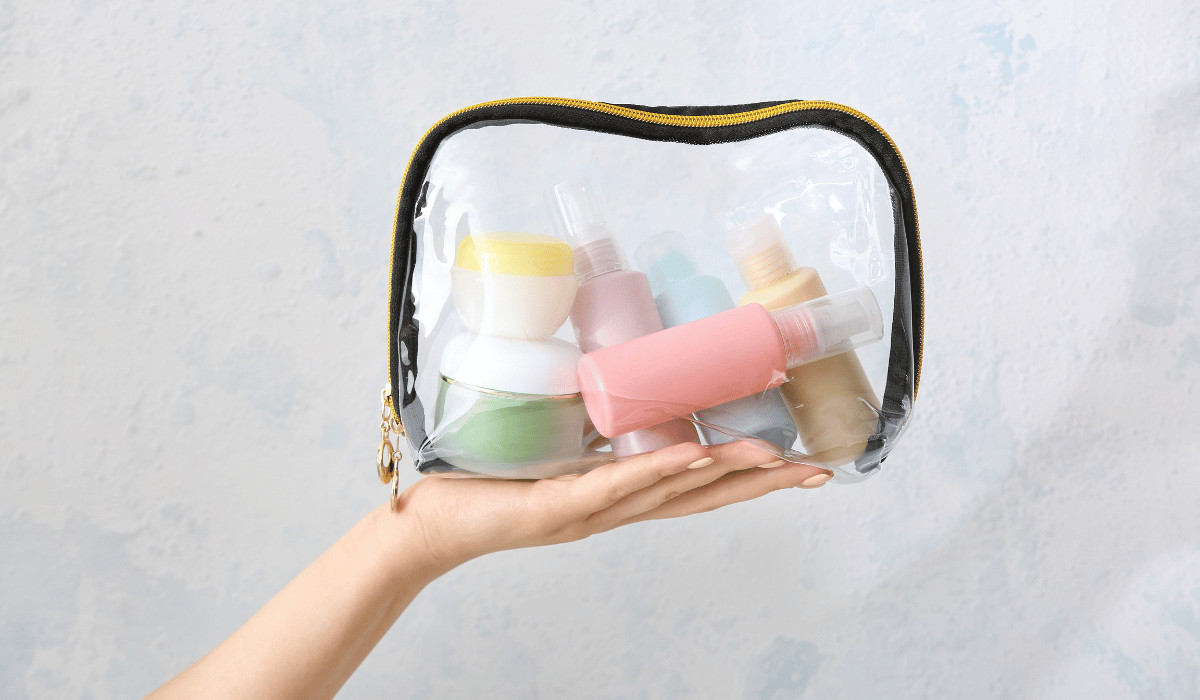
I keep everything in one small Ziploc bag so it’s easy to grab and toss in my carry-on. Plus, it’s clear, so I can see what’s in it without digging around. I keep medicine in the original packaging when I can so I know exactly what everything is.
Before every trip, I do a quick check. I look at expiration dates, restock anything we used last time, and make sure I’ve got enough for the length of the trip plus a couple extra days in case of delays. That quick check saves you a pharmacy run and money, since medication can cost more in hotel gift shops and touristy vacation spots.
Packing Tips for Getting Through Security
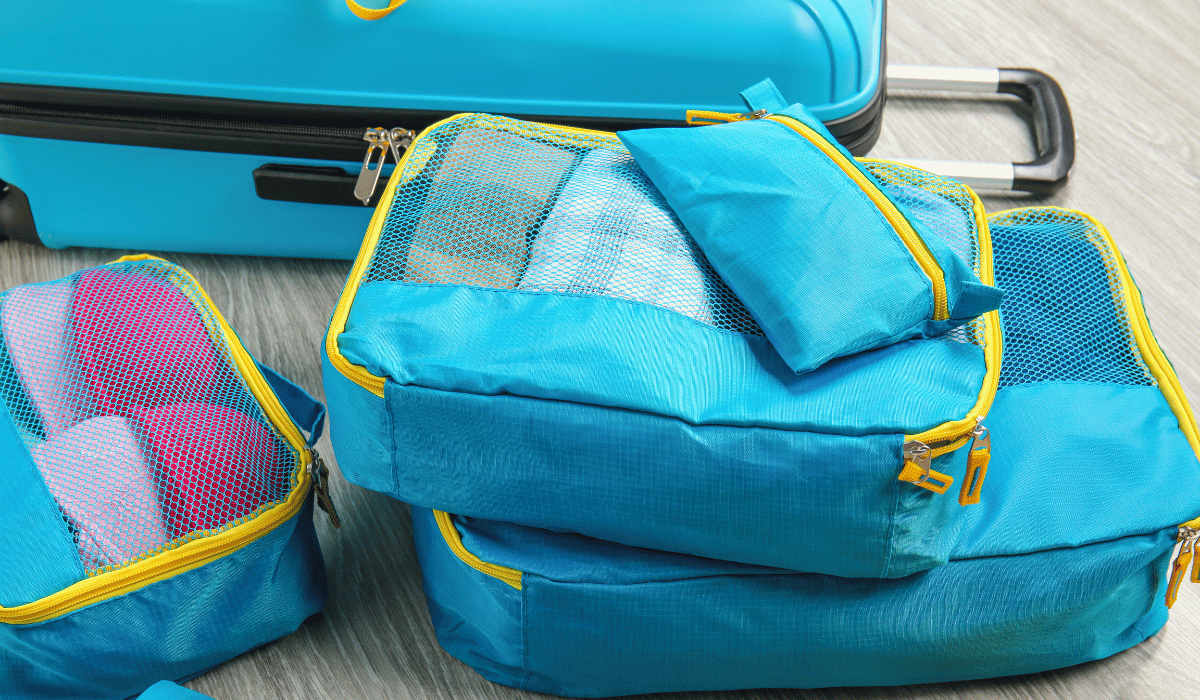
- Keep medication in your carry-on. You’ll have it during the flight, and you won’t be stuck if your checked bag gets lost.
- Keep the original packaging when you can. TSA doesn’t require it for over-the-counter medication, but it helps officers identify what you’re carrying and speeds things up. If space is tight, bring the blister cards along with the Drug Facts panel from the box.
- Keep your medicine bag near the top of your carry-on or purse, so it’s easy to pull out if TSA wants a closer look.
- Take a quick picture of the labels on your phone. That way, if a box gets crushed or tossed, you still have the ingredients and directions.
- Keep your medicine bag near the top of your carry-on or purse, so it’s easy to pull out if TSA wants a closer look.
- Keep a dose or two in your personal item. If your carry-on gets gate-checked, you won’t be stuck without it on the flight, and you won’t have to pull your luggage down from the overhead bin mid-flight or dig through a packed trunk on a car ride.
Wrapping It Up

Nobody wants to get sick on a trip, but if you have the basics with you, you can deal with it and get back to having fun.
I travel a lot, so I keep a medicine Ziploc bag stocked and ready to go, which makes packing easy. It’s also worth stocking up before you leave because medication can cost more in popular tourist destinations. Have the essentials with you, and you’ll be ready if you or your kids start to feel under the weather.
Safe travels!